


Cockroach traps

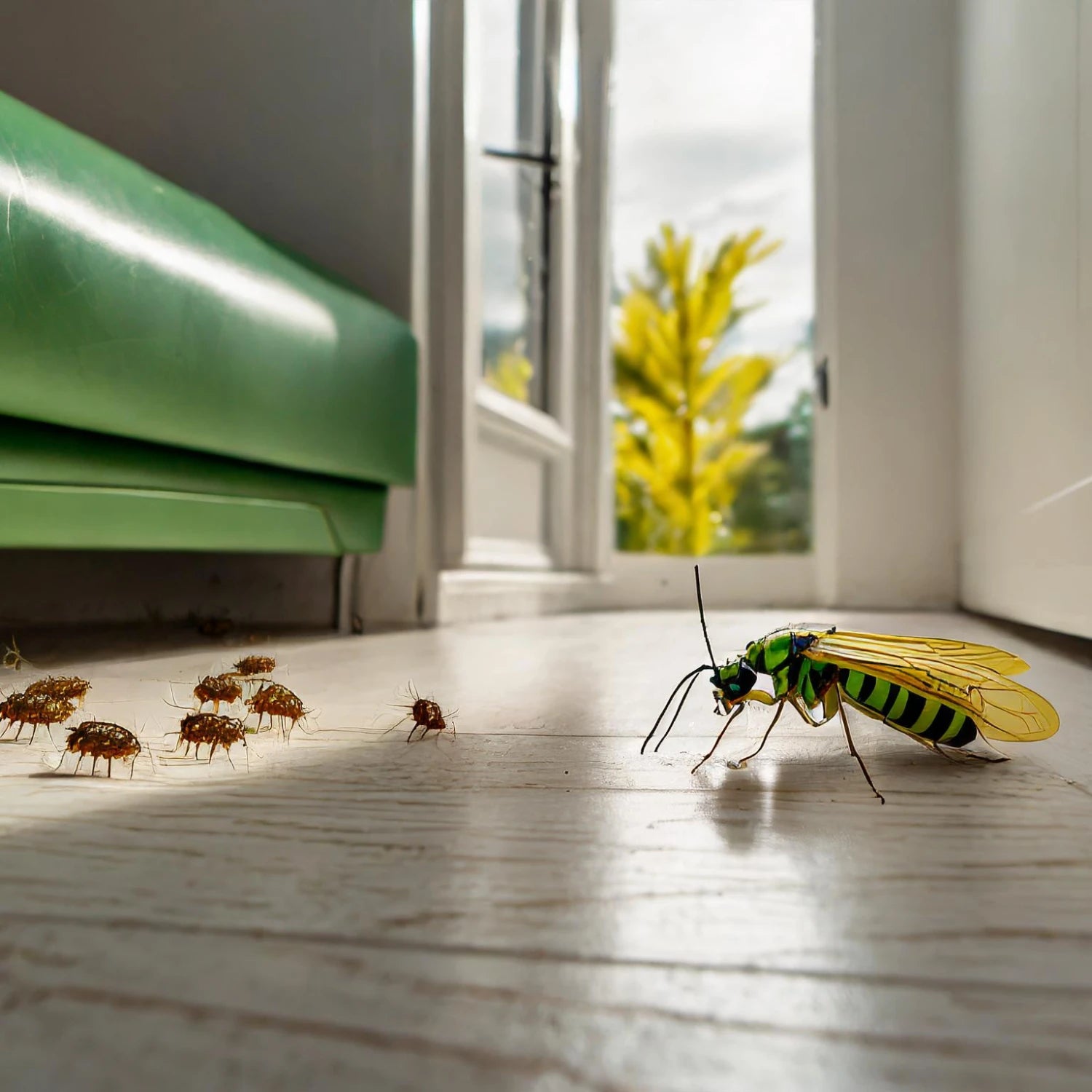
Seeing small cockroaches in the kitchen is frightening for anyone, and our cockroach traps help you control this infestation quickly and independently.

Cockroach traps are a safe, discreet, and easy-to-use solution, ideal for those who need quick results without resorting to external services. They work in homes and small businesses, helping you reduce cockroach activity and prevent further infestation. Choose the best option for you and regain control of your space!

Filters

Sort by:

3 products

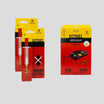
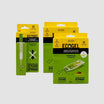
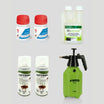
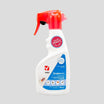
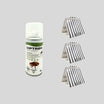
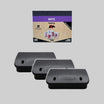
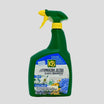
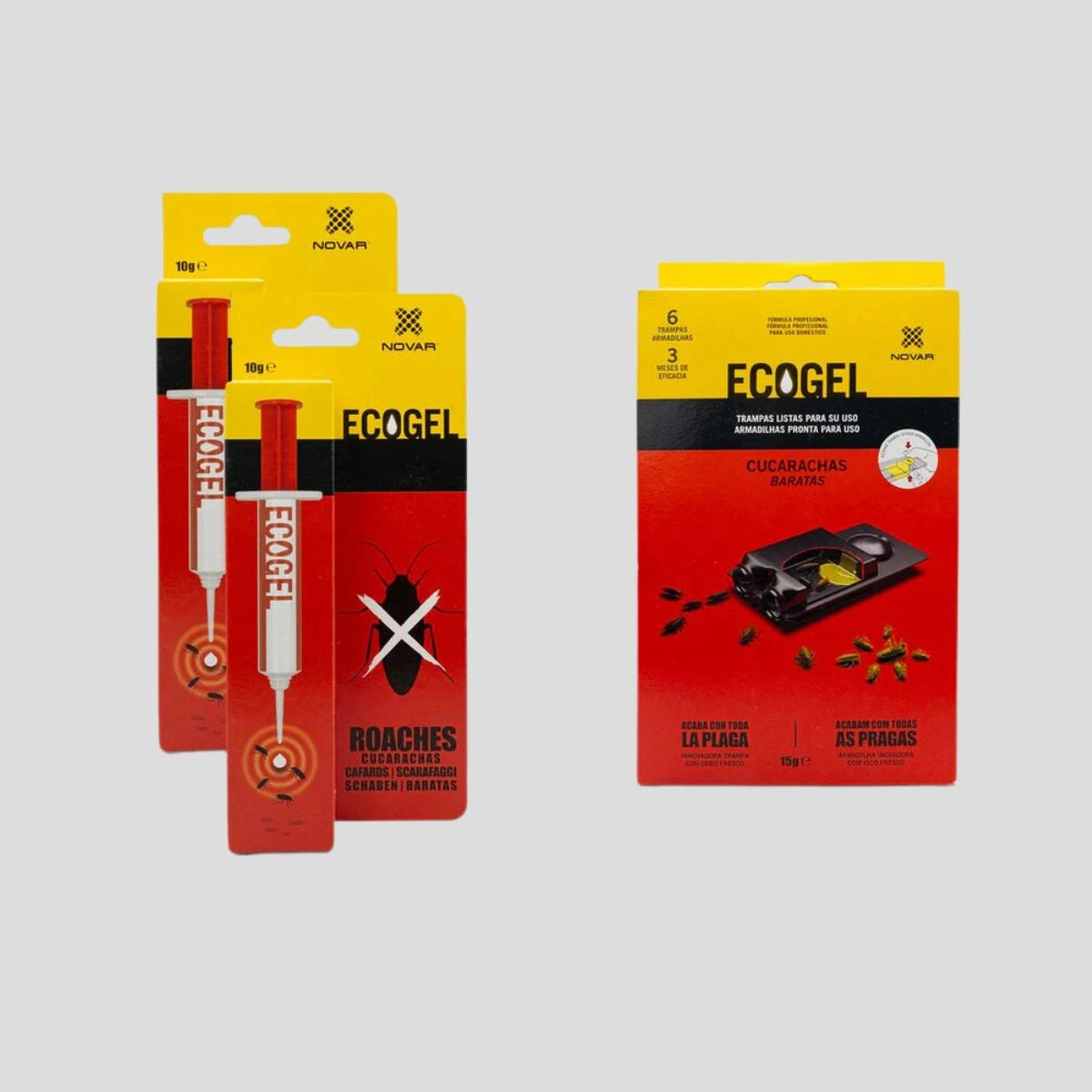
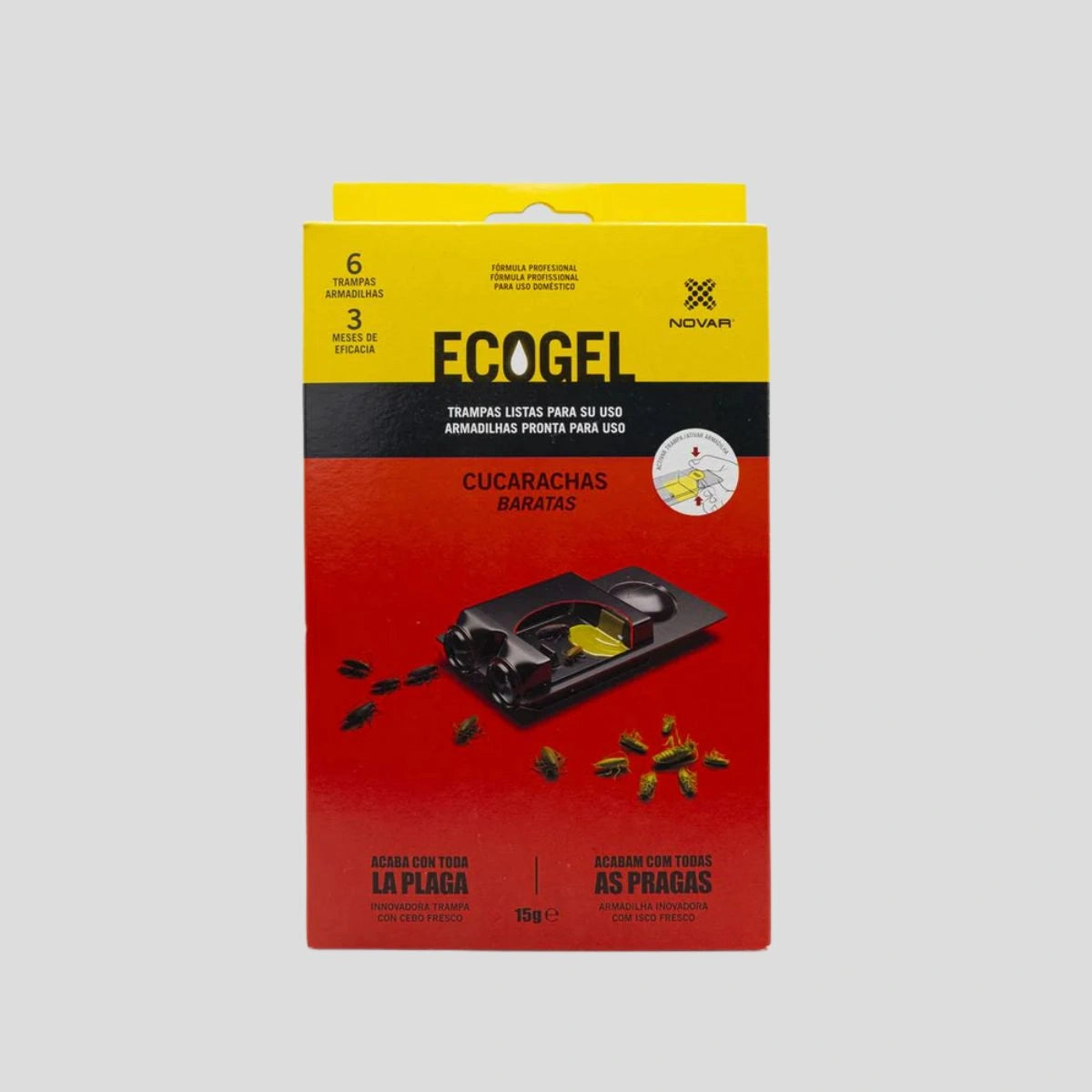
seringas e armadilhas ecogel contra baratasarmadilhas ecogel contra baratas da novar
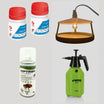
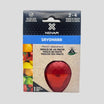
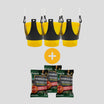
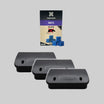
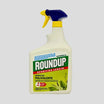
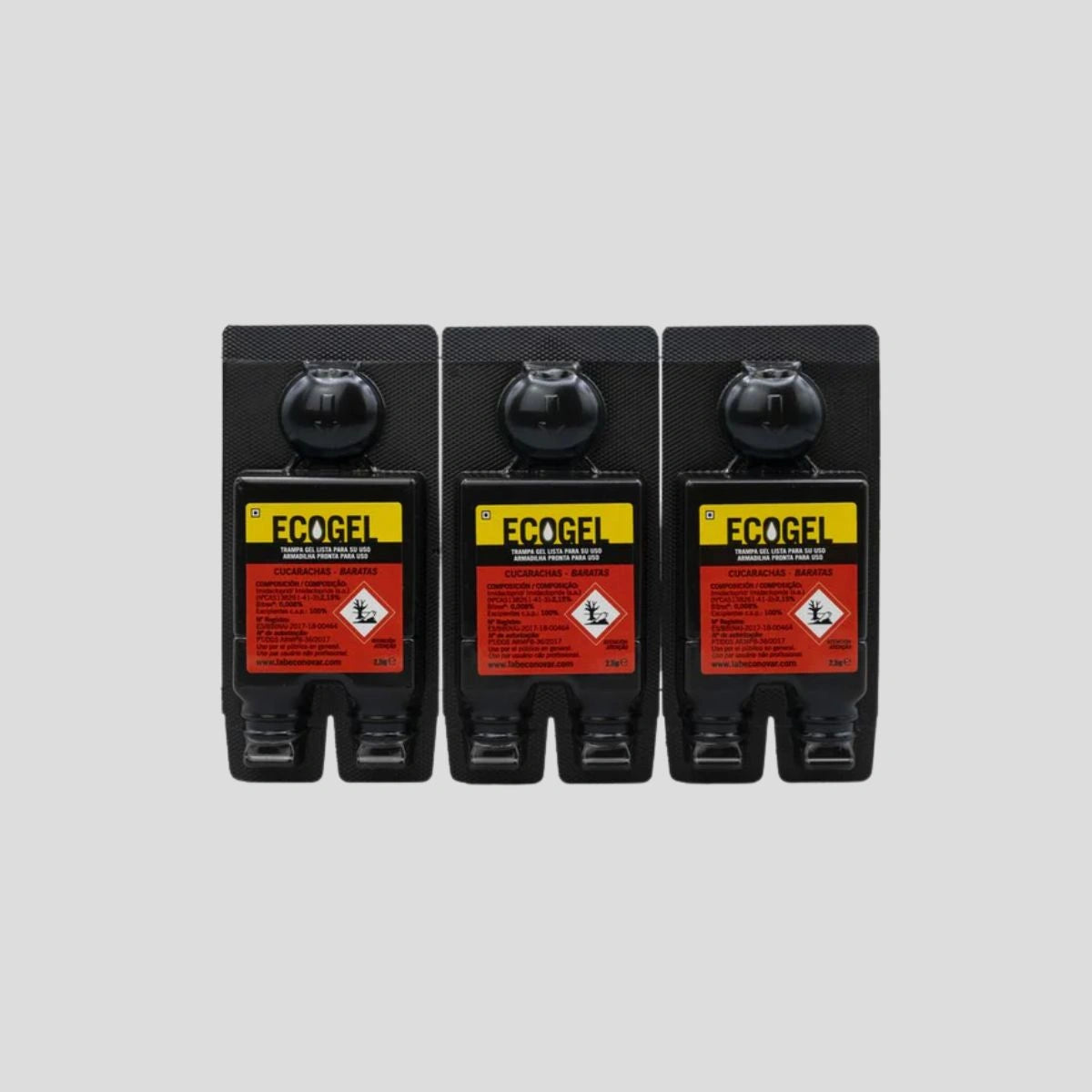
armadilhas ecogel contra baratas da novar3 unidades armadilhas contra baratas
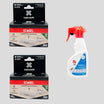
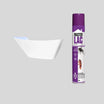
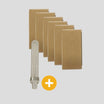
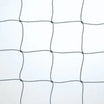
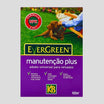
10 telas de cola para captura de ratosarmadilha de cola para ratos e insetos

What are cockroach traps for and when should you use them?

Small cockroaches leave very characteristic signs, such as:

  • Tiny droppings resembling peppercorns
  • Shed skin along baseboards
  • Dark stains in damp corners
  • Sometimes a sweetish odor in warm areas

They usually hide behind refrigerators, ovens, inside cabinets, and near sewers, becoming more active at night. In homes, cafes, or professional kitchens, these signsmay indicate a risk of food contamination, which is why it’s important to acte arly and identify the source of the activity.

Small vs. Large Cockroaches large cockroaches: how to tell them apart?

1️⃣ Small Cockroaches (German Species)

  • Size: 1–1.5 cm long
  • Color: Light brown
  • Behavior: Move quickly through warm, humid areas
  • Habitat: Live in large colonies, mainly in kitchens; most common cockroach species in Portugal

Since they spend much of their time hidden, effective control involves sticky traps or gel-based insecticide traps that attract them out of their hiding places.

2️⃣ Large Sewer Cockroaches (American Species)

  • Size: Much larger than German cockroaches
  • Color: Darker
  • Habitat: Frequently found in garages, basements, and areas near sewer pipes

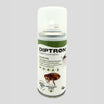
For large sewer cockroaches, the ideal solution is liquid insecticides such as Draker
or Diptron, with the application adjusted according to the severity of the infestation.

If large cockroaches are a problem in your home or business, you can find the most suitable solution in our cockroach-killing kits.

How can I find out where the cockroaches are coming from?

Cockroaches typically enter homes or businesses through:

  • Drains
  • Small cracks in baseboards
  • Tile joints
  • Pipe passages
  • Hidden openings behind household appliances

To identify where they are coming from, observe the areas where they appear most frequently and look for droppings, dark spots, and shed skin.

Using Traps Effectively

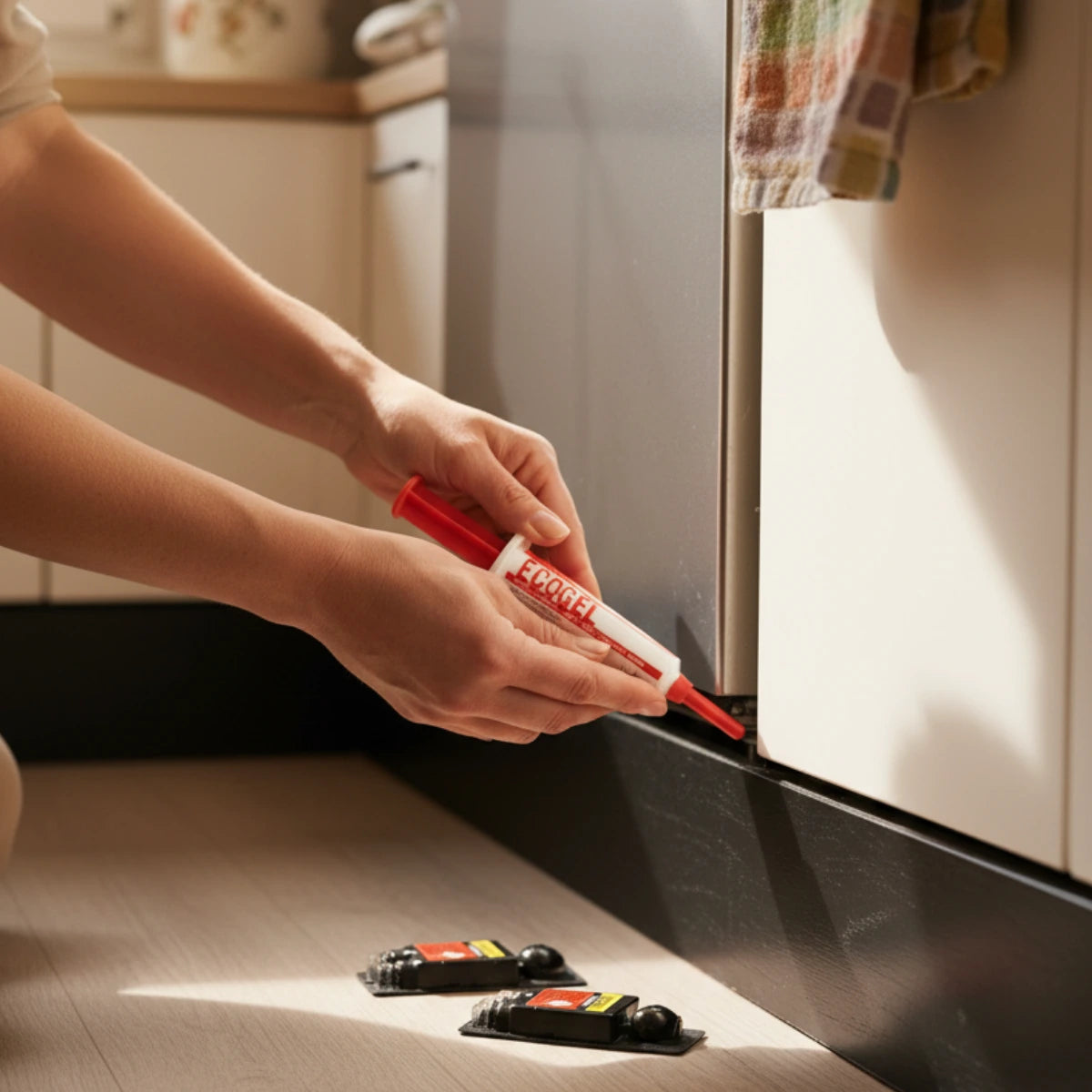
Place traps in high-traffic areas, dark corners, damp spots, and near drains to create
an effective barrier. This helps monitor activity, identify new passage points, and reinforce the overall pest control strategy.

How to tell if you have small cockroaches in your home (German species)

Small cockroaches leave signs very characteristic features, such as:

  • Tiny droppings that look like peppercorns;
  • Peeling skin along the baseboards;
  • Dark stains in damp corners;
  • Sometimes, a sweetish odor in warm areas.

They usually hide behind the refrigerator, the oven, inside cabinets, and near sewers, becoming more active at night.

In homes, cafes, or professional kitchens, these signs may indicaterisk of food contaminationThat's why it's important to act early and confirm the source of the activity.

Small vs. Large Cockroaches large cockroaches: how to tell them apart?

1️⃣ Assmall cockroaches of the German speciesThey are about 1 to 1.5 cm long, light brown, and move quickly between warm, humid areas. They live in large colonies and mainly settle in the kitchen. They are the most common type of cockroach in Portugal.

Since they spend a large part of their time hidden, controlling them involves sticky traps or insecticide traps with gel baits that attract them out of their hiding places.

2️⃣ Aslarge sewer cockroachesThe American species, on the other hand, are much larger, darker, and appear more often in garages, basements, and areas near sewer pipes.

For large sewer cockroaches, the ideal solution is to use liquid insecticides such as Draker or Diptron, adjusting the application according to the level of infestation. If this is also a problem for you, you will find the most suitable treatment at one of our kits for killing cockroaches.

How can I find out where the cockroaches are coming from?

Cockroaches usually enter through:

  • Drains;
  • Small cracks in the baseboards;
  • Tile joints;
  • Pipe passages;
  • Hidden openings behind household appliances.

To understand where they come from, observe the places where they appear most frequently and look for droppings, dark spots, and scabs. Then, position the...Rat traps for cockroaches. Place these barriers in high-traffic areas, dark corners, damp areas, and near drains to create an effective barrier.

How do cockroach traps work?

Cockroach traps use bait with an attractive smell and taste that mimics food. When
a small cockroach approaches to feed, it ingests a small amount of the bait,
which contains an active ingredient.

This ingredient works through ingestion or contact, allowing the cockroach to carry the insecticide back to its hiding places, including the nest.

This contagion effect is one of the main advantages of these traps: as the cockroach returns to its refuge, it spreads small amounts of insecticide to other members of the colony, helping to reduce the infestation progressively and efficiently.

Traps provide a discreet and continuous solution, making them ideal for kitchens
and bathrooms
, where cockroach activity is often higher.

The doses in the traps are lethal to insects but safe when used as directed, allowing
their use in homes or small businesses—even in the presence of children and pets.

Sticky cockroach traps vs. insecticide traps: which is better for your situation?

1️⃣ Sticky Traps

Sticky traps are a simple and chemical-free solution for monitoring cockroach activity and capturing insects moving across surfaces.
They work through a sticky surface that traps cockroaches as they pass by.

Uses:

  • Identify where small cockroaches circulate
  • Confirm infestation hotspots
  • Reduce their presence in critical areas such as kitchens, pantries, or small commercial spaces

Sticky traps are excellent for prevention or as a complement to active treatments.

2️⃣ Insecticide traps are recommended when there is an active cockroach infestation and it is necessary to eliminate the nest.

When using cockroach traps with gel bait, the insects consume the bait, carrying the active ingredient into their hiding places and contributing to a contagion effect within the colony.

This type of trap delivers more in-depth results, especially in areas where cockroaches are frequently observed.

Both sticky traps and insecticide traps can be used together and are easy to apply indomestic or commercial environments, allowing you to adjust the treatment according to the level of infestation and the routine of your space.

Where to place cockroach traps for best results.

For optimal effectiveness, place small cockroach traps in areas where these insects
typically roam in search of food and moisture.

1️⃣ Kitchen
Focus on key hotspots:

  • Under the sink
  • Behind the refrigerator
  • Near drains
  • Next to the washing machine

2️⃣ Bathroom
Place traps in dark corners and near drains, where constant humidity encourages cockroach movement.

3️⃣ Small Businesses (cafes, warehouses, accommodations)
Distribute traps across multiple points, including pantries and food preparation areas, to ensure thorough coverage.

The ideal number of traps depends on the size of the space and the level of infestation—the more activity observed, the more traps are needed.

Maintenance and prevention tips after using cockroach traps.

After installing the small cockroach traps, check them regularly and replace them every 30 days or as directed by the manufacturer. This quick step ensures the overall treatment remains effective.

To prevent the infestation from returning, he maintains simple daily habits, such as:

✅ Removes food scraps;

✅ Reduces humidity;

✅ Close the garbage bags tightly;

✅ Don't let dirty dishes pile up overnight;

✅ Seals small cracks, tile joints, and spaces behind furniture.

These precautions, combined with the correct use of cockroach traps, prolong the results and keep your space even more protected.

Frequently asked questions about traps for small cockroaches.

We are available Monday to Friday from 9:00 AM to 6:00 PM.Average response time: 1 hour